
The SSMSI recorded 211,600 burglaries or attempted burglaries in 2025 in France. Despite a 3% decrease year-on-year, the risk remains concentrated in large urban areas, and short absences during the day expose homes just as much as vacations. Multiplying discreet hiding spots at home effectively complements an alarm system or a safe, dispersing potential targets in places that intruders are less likely to search first.
1. Fake wall socket panel
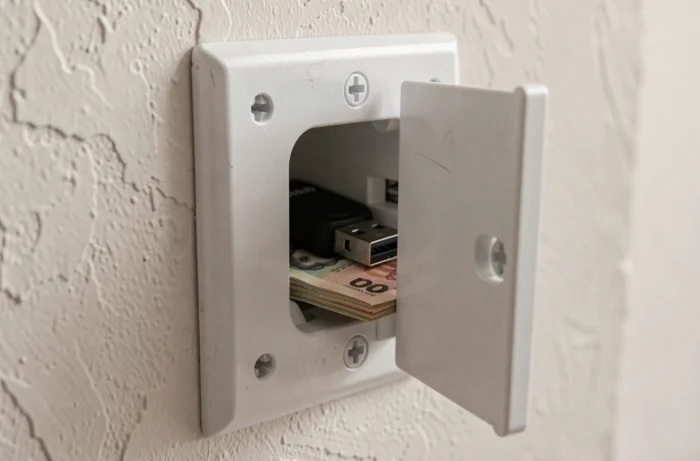
A non-functional electrical socket rarely attracts attention. Boxes sold at hardware stores mimic a standard socket and fit into the wall, offering a small compartment behind the facade. Installation requires cutting into the drywall, but no electrical wiring is necessary.
This hiding spot is suitable for jewelry, USB drives, or small bundles of cash. If you’re exploring other ideas for secret hiding spots for valuables, the fake electrical panel remains one of the hardest to spot during a quick search. Place it in a room where several real sockets already exist to blend the decoy into the mix.
2. Hollow curtain rod with removable ends
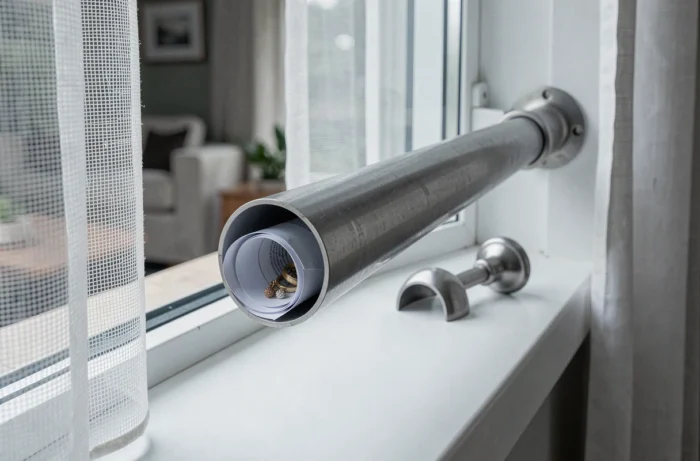
Metal curtain rods with a round section offer a hollow tube accessible by unscrewing a side end. You can slide rolled bills, folded documents, or a small jewelry case inside. Once the curtain is in place, it masks any manipulation.
The trick works best with a rod long enough so that the object does not slide to the middle and become unretrievable. A small foam plug inserted after the object keeps it within reach. In a hurry, burglars do not disassemble the curtain rod.
3. False bottom under the litter box or dog bowl
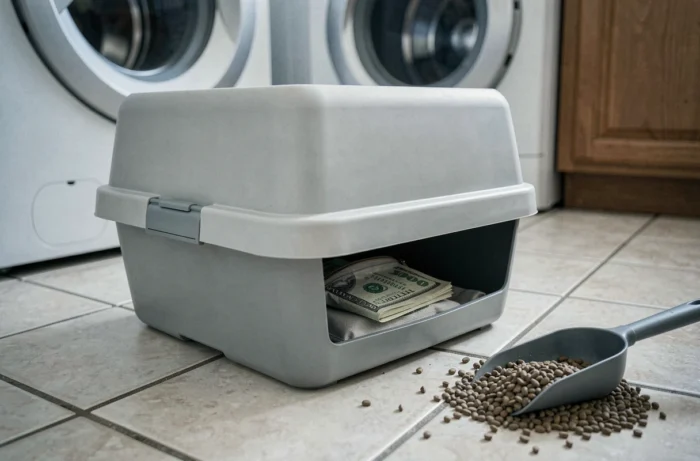
Few people, including intruders, want to search around pet accessories. A litter box placed on an elevated tray can conceal a flat compartment underneath. The same principle applies to a large feeding mat fixed to the floor with a designated space.
The psychological repellent effect works even on a methodical burglar. The constraint is clear: the hiding spot is only suitable for flat objects (envelopes, documents, cash) and requires regular cleaning of the area to remain credible.
4. Half-used paint can in the garage
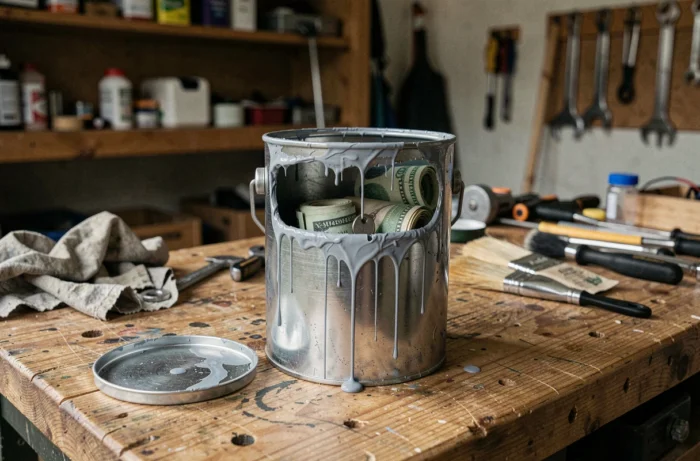
A half-empty paint can, stored among others on a garage shelf, goes completely unnoticed. Empty it, clean the inside, and place a waterproof bag containing your items inside. Replace the lid, smearing it with dry paint to enhance the illusion.
This method also protects against moisture if the bag is properly sealed. The garage is rarely the first room searched during a burglary, with intruders typically heading first to the master bedroom and office.
5. Weighted fake can in the kitchen cupboard

Replicas of canned goods (beans, tomatoes, soup) with a screw-off bottom are commercially available. Slipped among real cans, they are visually undetectable. The weight of the metal and the original label complete the camouflage.
Ensure that the decoy can weighs a comparable amount to the original once the object is inserted. An abnormally light can could raise suspicion if someone is putting away groceries. Reserve this hiding spot for small items: rings, gold coins, memory cards.
6. Technical conduit behind the bathtub access panel
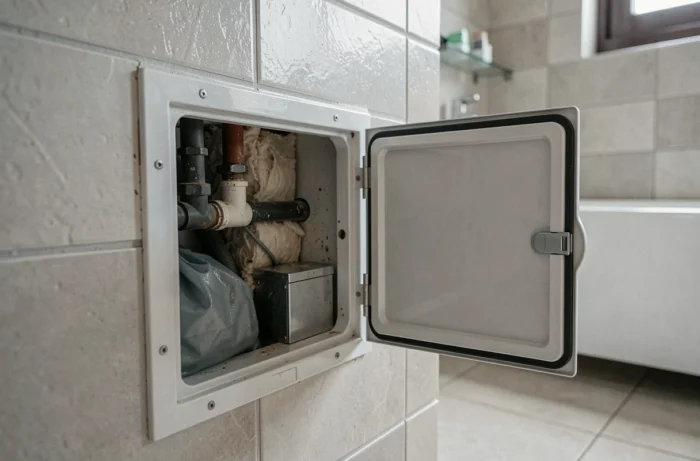
Most bathtubs have a plumbing access panel. This space, often empty next to the pipes, can accommodate a small waterproof container secured with Velcro or a strong magnet.
The bathroom is among the last rooms inspected by a hurried burglar. Accessing the panel sometimes requires a screwdriver, adding an extra layer of deterrence. Be cautious of ambient moisture: use a rigid airtight box rather than a simple bag.
7. Fake PVC downspout in the basement
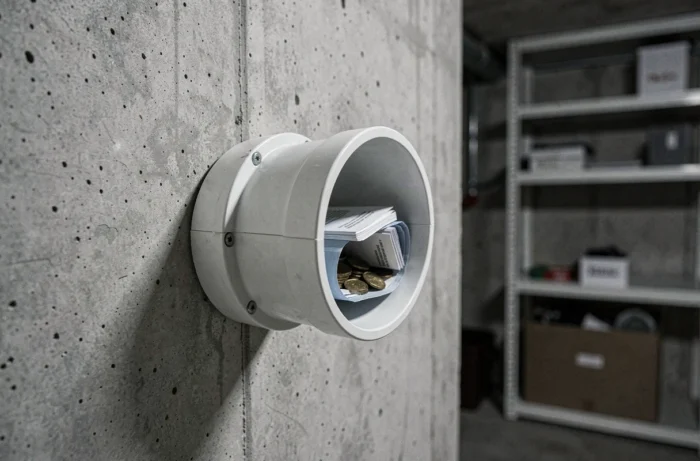
A piece of standard diameter PVC pipe, closed with two caps, fixed vertically along a basement wall among other real pipes, raises no curiosity. Choose a diameter of 100 mm to slide in rolled documents or a tube of cash.
Permanently glue one cap at the bottom and leave the top one simply fitted for quick access. Dust the pipe to help it blend into the decor. This hiding spot offers a considerable volume without any construction work.
8. Insole of an old garden boot

A pair of muddy boots stored in the entryway or pantry does not interest anyone. Under the removable insole, a flat space is sufficient for a few bills or a bank safe key.
This hiding spot is limited in volume, but its ordinariness is its best asset. Dispersing your items across multiple hiding spots reduces the risk of losing everything during a break-in, a strategy that security experts consistently recommend.
9. Fake smoke detector housing on the ceiling
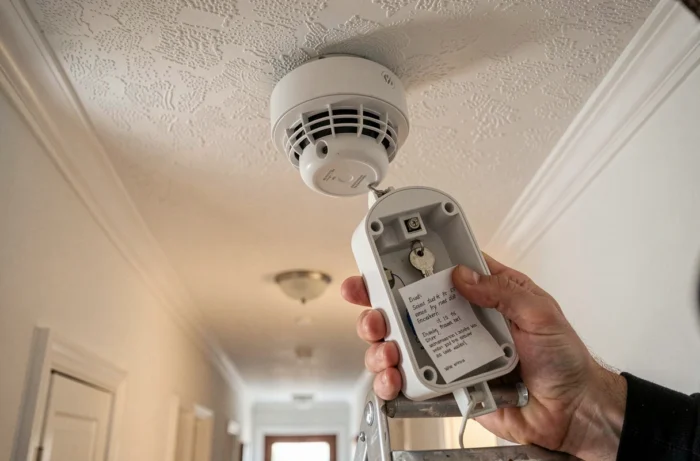
A casing that resembles a smoke detector, fixed to the ceiling of a hallway or secondary bedroom, goes unnoticed in a home that already has several real ones. The internal compartment can hold lightweight jewelry, cash, or a USB drive.
Place it in a passage room rather than the master bedroom, where an intruder might examine it. Ensure that your real detectors remain functional: fire safety should never be compromised by a hiding spot.
10. Dead space under the last step of the staircase
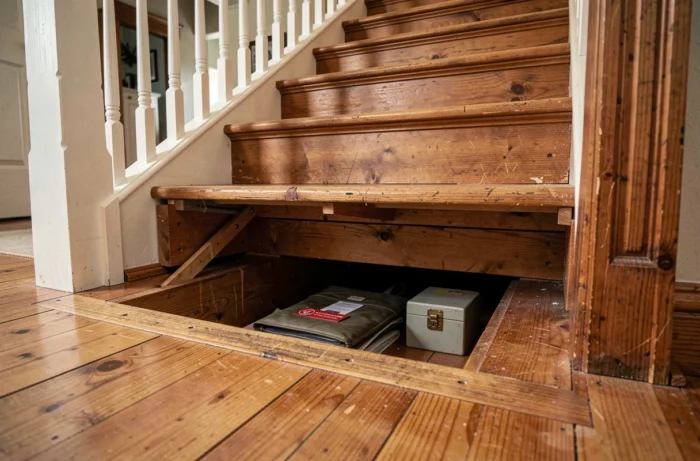
In a wooden staircase, the riser of the last step can be secured with magnets instead of nails. By removing it, you access a sufficient volume for a small box. This type of setup requires some carpentry, but the result is nearly undetectable.
A few precautions ensure the durability of this hiding spot:
- Use strong neodymium magnets to keep the riser securely in place without vibrating when someone walks up the stairs
- Line the inside with felt to avoid any rattling noise when going up the stairs
- Regularly check that the step shows no visible play that would betray the modification
Insurers remind us that a certified safe remains the most recognized solution for coverage in case of a loss. Home hiding spots are a complement to protection, not a substitute for appropriate insurance coverage. Combining concealment, alarms, and devices like the Operation Tranquility Vacances during extended absences remains the strongest combination to reduce risk.