
Planning a wedding often generates as much excitement as it does mental load. Between family expectations, budget negotiations, and coordinating vendors, the pressure is no longer just logistical: it is also relational and emotional. Establishing a clear method from the start allows you to transform this project into a shared experience rather than a race against the clock.
Wedding budget: protect a realistic envelope before dreaming
You may have noticed that ideas flow well before the numbers? A couple often starts by imagining the venue, the dress, the atmosphere, and then discovers late that the bill exceeds what they can handle. Reversing this order changes everything.
First, list your actual resources: available savings, potential family contributions, borrowing capacity if necessary. Set a global ceiling before contacting any vendor. This ceiling becomes your decision filter for each item.
Next, break down this budget into major categories: reception (venue and catering), entertainment, attire, decoration, stationery, photography, and contingency margin. The reception generally takes up the largest share. If you want to organize a wedding with Nuptialement, you gain access to tools that structure this breakdown item by item and avoid common oversights.
A often overlooked tip: allow for a margin of at least ten percent for unexpected costs. An extra charge from the caterer due to late confirmations, increased transport costs for a distant vendor, a last-minute alteration on an outfit: these small overruns can add up quickly.
Guest list and venue: two choices that are decided together
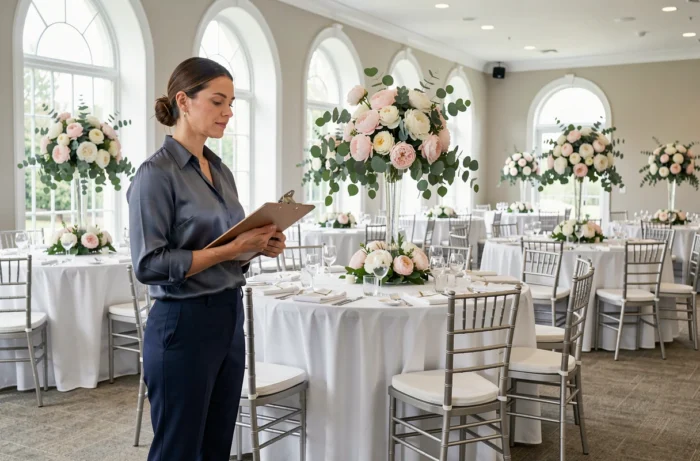
The size of the guest list directly influences the choice of venue. Validating one without the other leads to painful adjustments: giving up on loved ones due to lack of space, or paying for an oversized hall.
Establish a provisional list in concentric circles: close family, close friends, extended family, colleagues, acquaintances. Assign a priority to each circle. This ranking facilitates decisions if the venue imposes a limit.
For the venue, three criteria should be established even before visits:
- The actual capacity in seated meal configuration, not just in standing cocktail, as the difference can be double
- Accessibility for traveling guests (train station, highway, nearby accommodations), especially if you are hosting families with children
- The time and noise constraints of the site, which determine the flow of the evening much more than one might think
Visit each venue asking operational questions: end-of-evening cutoff time, possibility of fireworks, number of electrical outlets for the DJ or band, on-site kitchen or installation of a catering lab. These technical details prevent unpleasant surprises on the big day.
Choosing wedding vendors: compare beyond the portfolio
A portfolio only tells part of the story. The reliability of a vendor is verified on the ground, not on Instagram.
Ask the right questions during the first exchange
Ask how many weddings the vendor is managing the same weekend. A photographer who is juggling two weddings in 48 hours will not deliver the same availability as a photographer dedicated to your event alone. Similarly, a caterer handling three simultaneous receptions mobilizes their teams differently.
Inquire about cancellation and rescheduling conditions. Recent times have shown that contractual flexibility is not a luxury. A clear contract protects both parties.
Coordinating vendors with each other
The caterer needs to know the exact layout of the venue. The DJ must know what time dinner ends. The florist needs access to the hall the day before or the morning of. Create a shared document with the contact details and schedules of each participant. This centralized planning significantly reduces last-minute back-and-forths.
Micro-wedding and intimate ceremony: a format gaining ground
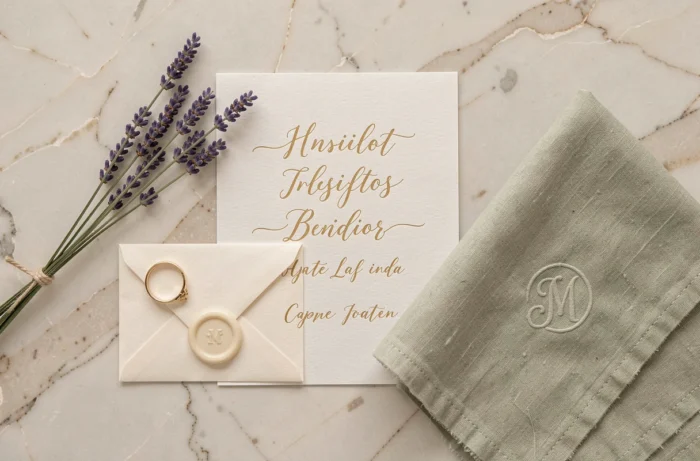
Couples choosing smaller formats are no longer doing so solely due to budget constraints. The trend towards micro-weddings and elopements is accelerating, driven by a conscious choice: fewer guests, more quality for each item.
A wedding with thirty people allows for a higher budget per guest for the meal, decoration, and overall experience. It also simplifies logistics: one large vehicle may suffice for transportation, table coordination is smoother, and speeches remain short.
Secondary destinations, less saturated than iconic locations like Tuscany or Santorini, are now attracting couples who want a destination wedding at a controlled cost. This shift to lesser-known sites also offers more availability during peak season.
Managing stress before the big day: separating the urgent from the accessory
The pressure felt by engaged couples does not only come from the to-do list. It often arises from the gap between the expectations of those around them and the couple’s desires. An uncle insisting on the seating plan, a mother-in-law suggesting a vendor, a friend proposing an unwanted entertainment option: knowing how to say no to external requests protects the coherence of the project.
In practical terms, set aside a fixed time slot each week for wedding decisions, rather than letting the topic invade every evening. This time framing limits decision fatigue and preserves the couple’s life outside of preparations.
- Designate a single point of contact from the family to centralize practical questions (accommodation, carpooling, food allergies)
- Delegate the coordination on the big day to a trusted friend or a professional, so you don’t have to manage delivery delays for the wedding dress
- Accept that an imperfect detail on the big day will go completely unnoticed by the guests
The last month before the ceremony should be dedicated to confirmations, not choices. If you are still deciding between two options three weeks before the wedding, it’s a sign that the initial planning needed to be set earlier. A successful wedding is built on decisions made calmly, not in a rush.