
After a burglary, the speed of the steps taken with your home insurance directly affects the amount and timing of compensation. The legal framework sets specific obligations, but each contract adds its own conditions, exclusions, and limits. Comparing these variables allows you to measure what separates a smooth claim process from a blocked one.
Theft coverage in home insurance: what your contract really covers
The theft coverage is not systematically included in a basic home insurance policy. Only the multi-risk home insurance contract (MRH) typically includes it. Checking the exact nature of your contract before any incident changes the game.
| Type of contract | Theft coverage included | Vandalism related to theft | Examples of covered cases |
|---|---|---|---|
| Basic home insurance | No (unless an added option) | No | Fire, water damage, liability |
| Multi-risk home insurance contract (MRH) | Yes (in the majority of plans) | Yes | Burglary, climbing, threats, clandestine entry |
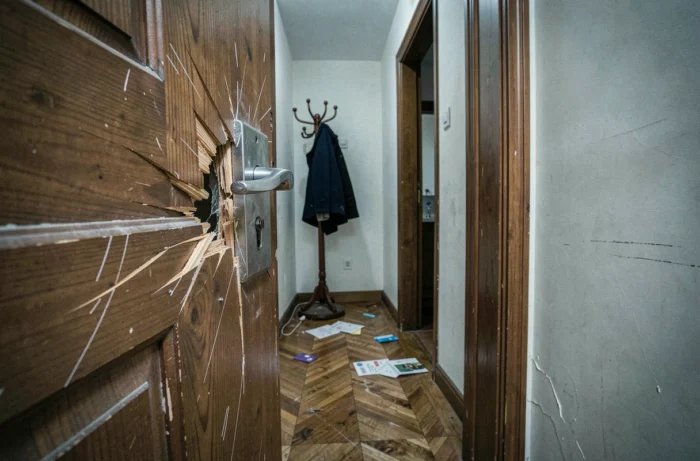
MRH contracts generally cover burglary (broken door, picked lock, broken window), climbing theft, and violent theft. However, theft without breaking and entering is often excluded, unless there is a specific clause. A door left unlocked may be enough for the insurer to deny compensation.
The exclusions deserve careful reading: theft committed by a household member, items left in common areas, or lack of security devices required by the contract (certified lock, alarm, shutters). Knowing the steps to take in case of burglary and home insurance in advance reduces the risk of unpleasant surprises at the time of reporting.
Deadline for reporting theft claims: the trap of delay
Article L113-2 of the Insurance Code imposes a deadline of two working days to report a theft to your insurer, starting from the discovery of the burglary. This deadline constitutes a legal minimum. Your contract may provide for additional modalities.
A delay in reporting does not automatically allow the insurer to refuse coverage. To invoke forfeiture, two conditions must be met: the contract must explicitly provide for it, and the insurer must prove that the delay caused them harm. In practice, a late report mainly complicates the reconstruction of evidence and the assessment.
Concrete timeline after a burglary
- File a complaint with the police or gendarmerie as soon as the burglary is discovered, without touching the premises or moving items. The complaint receipt will be required by the insurer.
- Report the claim to your insurer within two working days, by registered letter or via the online space according to the contract’s modalities. Attach the complaint receipt and a preliminary list of stolen items.
- Compile the compensation file: detailed inventory of stolen items, proof of ownership and value, assessment of damages (door, window, lock).
- Immediate securing of the home if necessary (lock replacement, temporary window), keeping receipts for expenses.
Proving the value of stolen items without a receipt
The majority of insured individuals believe that only purchase receipts can justify the value of stolen items. French law provides for a broader approach: proof can be provided by any means.
Photographs of the home showing items in place, bank statements confirming the purchase, warranty certificates, original boxes, email exchanges with the seller, or testimonials from acquaintances are all admissible elements. This flexibility is crucial for antique items, inherited goods, or second-hand purchases for which the receipt has disappeared.
Estimation and assessment by the insurer
The insurer appoints an expert when the amount of the claim justifies it. This expert evaluates the value of the goods based on the evidence provided and applies a depreciation coefficient. The contract sets compensation limits by category (jewelry, computer equipment, valuable items), sometimes much lower than the actual value.
The limit by category of item varies significantly from one contract to another. Comparing these limits before subscribing, and not after the incident, remains the only leverage to avoid under-compensation.

Recourse in case of dispute with the insurer after a burglary
A refusal of compensation or an amount deemed insufficient opens several avenues for contestation. The first step is to send a written complaint to the insurer’s customer service detailing the reasons for disagreement and attaching supplementary documents.
If the response remains unsatisfactory, contacting the insurance mediator constitutes a free recourse. The Insurance Mediation has recorded a significant increase in cases in 2025, with a particularly marked rise for home insurance contracts. Insured individuals have obtained satisfaction, either fully or partially, in 55% of cases according to the report by La Tribune de l’assurance.
This rate means that one in two insured individuals who contests obtains a revision of the initial decision. Mediation takes several months, but it suspends the limitation periods. As a last resort, the judicial court can be approached.
Security obligations imposed by the home insurance contract
Most MRH contracts condition theft coverage on compliance with housing protection measures. These obligations are outlined in the specific conditions and vary by insurer.
- Certified lock (often A2P) on the front door, sometimes on secondary access points.
- Closure of openings (shutters, windows) in case of absence, even brief.
- Installation of an alarm system or remote monitoring in certain high-end plans or for secondary residences.
Failure to comply with a security obligation stipulated in the contract may lead to a total denial of compensation. The insurer does not have to prove that the measure would have prevented the theft: it is sufficient that the contractual obligation was not met.
Reviewing the specific conditions of your contract, checking the compliance of your locks, and keeping installation receipts for your alarm are the most concrete preventive actions. A claim is prepared before it occurs, not after.